English
 Español
 Português
 русский
 Français
 日本語
日本語 Deutsch
 tiếng Việt
 Italiano
 Nederlands
 ภาษาไทย
 Polski
 한국어
한국어 Svenska
 magyar
 Malay
Malay বাংলা ভাষার
 Dansk
Dansk Suomi
Suomi हिन्दी
 Pilipino
 Türkçe
 Gaeilge
 العربية
 Indonesia
 Norsk
Norsk تمل
تمل český
český ελληνικά
 український
 Javanese
 فارسی
فارسی தமிழ்
தமிழ் తెలుగు
 नेपाली
 Burmese
 български
 ລາວ
ລາວ Latine
 Қазақша
 Euskal
 Azərbaycan
 Slovenský jazyk
 Македонски
 Lietuvos
 Eesti Keel
 Română
 Slovenski
 मराठी
मराठी Srpski језик

Abstract: Selecting the ideal plastic enclosure is critical for protecting electronics, equipment, and sensitive components. This article provides a comprehensive guide on understanding types, materials, sizes, environmental considerations, and installation methods to ensure your devices are safe, functional, and durable.
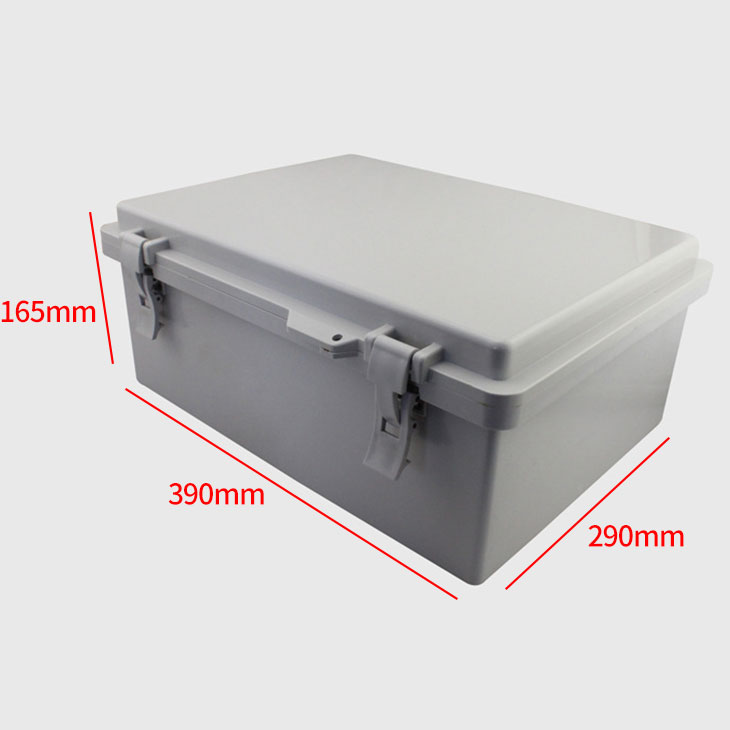
Table of Contents
- Understanding Plastic Enclosures
- Types of Plastic Enclosures
- Material Selection for Durability
- Size and Design Considerations
- Environmental Factors
- Installation Tips
- Frequently Asked Questions
- Contact Us
Understanding Plastic Enclosures
Plastic enclosures serve as protective housings for electrical devices, electronic circuits, and sensitive equipment. Choosing the correct enclosure ensures safety, prevents damage from external factors, and can improve the overall efficiency of your system. Common applications include industrial control panels, outdoor instrumentation, medical devices, and consumer electronics.
- Protection against dust, moisture, and corrosion
- Electrical insulation for sensitive electronics
- Mechanical protection against impacts
- Compliance with regulatory standards
Types of Plastic Enclosures
Plastic enclosures are available in various types depending on their intended use. Selecting the correct type reduces risk and improves operational reliability.
| Type | Description | Common Applications |
|---|---|---|
| Wall-Mount Enclosures | Designed to be attached to walls for housing small to medium devices. | Industrial control panels, communication devices |
| Floor-Standing Enclosures | Larger units that sit on the floor for heavy equipment. | Power distribution, large electronic assemblies |
| Handheld Enclosures | Compact enclosures for portable electronics. | Remote controls, testing devices |
| Junction Boxes | Used to protect wiring connections and terminals. | Wiring management, outdoor installations |
Material Selection for Durability
The material of a plastic enclosure affects strength, longevity, and resistance to environmental stress. Common materials include:
- ABS: Impact-resistant, lightweight, suitable for indoor use.
- Polycarbonate (PC): High strength, UV-resistant, ideal for outdoor applications.
- Polypropylene (PP): Chemical-resistant, cost-effective, often used in industrial environments.
- PVC: Durable and flame-retardant, suitable for wiring and junction applications.
When selecting materials, consider:
- Environmental exposure (UV, moisture, temperature)
- Mechanical stress (impact, vibration)
- Weight and mounting requirements
- Compliance with industry standards
Size and Design Considerations
Choosing the right size and design ensures compatibility with your components and simplifies installation. Factors to consider include:
- Internal dimensions: Must accommodate components with room for wiring and heat dissipation.
- Wall thickness: Affects rigidity and protection level.
- Access features: Doors, lids, removable panels for maintenance.
- Mounting options: Wall-mount, floor-standing, DIN-rail compatibility.
Environmental Factors
Plastic enclosures must withstand environmental conditions based on the intended application. Key considerations include:
- Temperature extremes: Ensure the material can handle high and low operating temperatures.
- Moisture and dust protection: Look for IP-rated enclosures for outdoor use.
- UV exposure: Select UV-stabilized plastics to prevent cracking and discoloration.
- Chemical exposure: Resistant plastics such as PP or PVC can handle industrial chemicals.
Installation Tips
Proper installation enhances the lifespan and performance of your plastic enclosure. Recommended practices include:
- Secure mounting using appropriate brackets or screws
- Ensure proper sealing to prevent water or dust ingress
- Maintain ventilation for heat-sensitive electronics
- Use cable glands for organized wiring and reduced strain
- Regular inspection and maintenance to check for damage or wear
Frequently Asked Questions
Q1: How do I choose the right size for a plastic enclosure?
A: Measure the total dimensions of all internal components, allow additional space for wiring, connectors, and ventilation. Consider future expansions if needed.
Q2: Can plastic enclosures be used outdoors?
A: Yes, but select UV-stabilized and weatherproof materials with suitable IP ratings for protection against rain, dust, and sunlight.
Q3: What is the difference between ABS and polycarbonate enclosures?
A: ABS is lightweight and suitable for indoor applications, while polycarbonate offers higher impact resistance, UV protection, and is ideal for harsh outdoor conditions.
Q4: How do I ensure proper ventilation in a plastic enclosure?
A: Use vented designs or install cooling fans for heat-sensitive electronics to prevent overheating.
Contact Us
Choosing the right plastic enclosure is crucial for protecting your electronic devices and equipment. Ruidafeng offers a wide range of high-quality plastic enclosures suitable for industrial, commercial, and outdoor applications. Explore our products at Ruidafeng Plastic Enclosures and contact us for expert guidance and customized solutions.