 English
- English
-
 Español
 -
 Português
 -
 русский
 -
 Français
 -
 日本語
日本語 -
 Deutsch
 -
 tiếng Việt
 -
 Italiano
 -
 Nederlands
 -
 ภาษาไทย
 -
 Polski
 -
 한국어
한국어 -
 Svenska
 -
 magyar
 -
 Malay
Malay -
 বাংলা ভাষার
 -
 Dansk
Dansk -
 Suomi
Suomi -
 हिन्दी
 -
 Pilipino
 -
 Türkçe
 -
 Gaeilge
 -
 العربية
 -
 Indonesia
 -
 Norsk
Norsk -
 تمل
تمل -
 český
český -
 ελληνικά
 -
 український
 -
 Javanese
 -
 فارسی
فارسی -
 தமிழ்
தமிழ் -
 తెలుగు
 -
 नेपाली
 -
 Burmese
 -
 български
 -
 ລາວ
ລາວ -
 Latine
 -
 Қазақша
 -
 Euskal
 -
 Azərbaycan
 -
 Slovenský jazyk
 -
 Македонски
 -
 Lietuvos
 -
 Eesti Keel
 -
 Română
 -
 Slovenski
 -
 मराठी
मराठी -
 Srpski језик


How Are Rugged Equipment Cases Selected for Harsh Working Environments?
Abstract
Rugged Equipment Cases are engineered to protect sensitive tools, instruments, and devices in extreme operating conditions. This article provides a structured and in-depth analysis of how rugged equipment cases are evaluated, specified, and deployed across industrial, military, medical, and field-service applications. The discussion covers core design principles, technical parameters, performance standards, common usage scenarios, and future development directions. Practical questions frequently raised by procurement teams and engineers are addressed in a clear question-and-answer format to support informed decision-making.
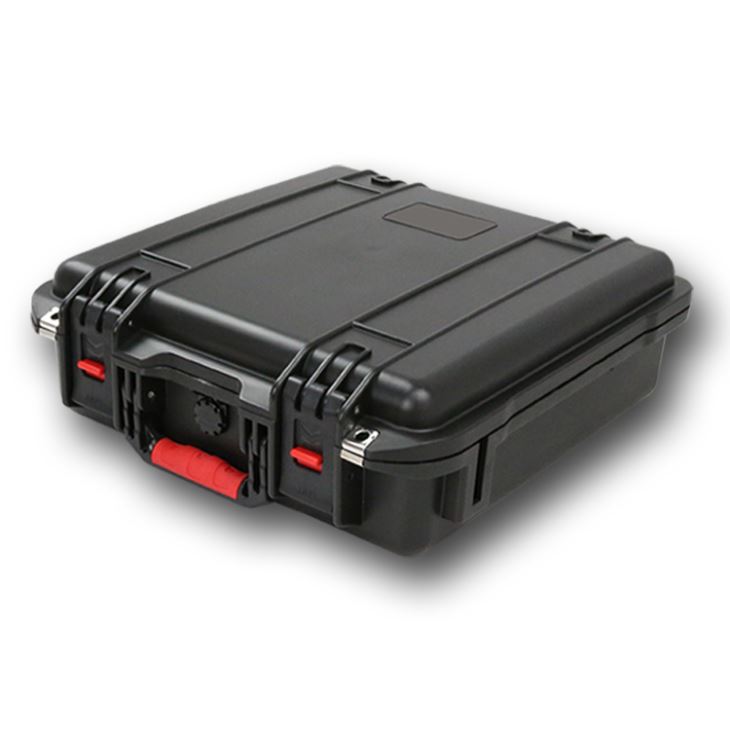
Table of Contents
- 1. Product Overview and Core Objective
- 2. Structural Design and Technical Parameters
- 3. Application Scenarios and Industry Adoption
- 4. Common Questions About Rugged Equipment Cases
- 5. Development Direction and Market Evolution
- 6. Brand Reference and Contact Guidance
1. Product Overview and Core Objective
A Rugged Equipment Case is a protective enclosure designed to safeguard valuable equipment against mechanical shock, vibration, moisture, dust, chemicals, and temperature extremes. These cases are widely used to transport and store precision instruments, electronic devices, tactical tools, and industrial components in environments where conventional packaging solutions fail.
The central objective of a rugged equipment case is to maintain operational integrity and functional reliability of enclosed equipment throughout its lifecycle, including storage, transportation, and field deployment. By combining high-strength materials with engineered internal structures, these cases reduce failure risk, minimize downtime, and support compliance with industry and regulatory standards.
2. Structural Design and Technical Parameters
Rugged Equipment Cases are defined by a combination of material science, mechanical engineering, and environmental testing. The following parameters represent the most commonly evaluated technical specifications in professional procurement and engineering contexts.
| Parameter Category | Typical Specification Range | Functional Significance |
|---|---|---|
| Shell Material | Polypropylene, ABS, Aluminum Alloy | Determines impact resistance, weight, and chemical stability |
| Ingress Protection | IP54 – IP68 | Controls resistance to dust and water exposure |
| Operating Temperature | -40°C to +80°C | Ensures reliability in extreme climates |
| Impact Resistance | IK07 – IK10 | Measures ability to withstand drops and shocks |
| Internal Padding | EVA Foam / Custom CNC Foam | Stabilizes equipment and absorbs vibration |
| Load Capacity | 10 kg – 100+ kg | Supports heavy or multi-component systems |
Beyond these core parameters, advanced rugged equipment cases may include pressure equalization valves, reinforced hinges, stainless steel latches, and modular internal configurations. These features enhance usability in high-altitude transport, long-duration storage, and rapid deployment scenarios.
3. Application Scenarios and Industry Adoption
Rugged Equipment Cases are adopted across a wide range of industries due to their adaptability and reliability. In industrial automation and energy sectors, they protect diagnostic tools and calibration instruments during on-site maintenance. In defense and security operations, they are used to transport communication systems, surveillance devices, and mission-critical electronics.
Medical and emergency response teams rely on rugged cases to secure portable diagnostic equipment and life-support devices during rapid deployment. In broadcasting and data acquisition fields, these cases enable safe transport of cameras, sensors, and storage media under demanding conditions.
The versatility of rugged equipment cases allows customization for specific workflows, including foam layouts matched to equipment geometry and external labeling systems for inventory management.
4. Common Questions About Rugged Equipment Cases
How does a Rugged Equipment Case differ from a standard protective case?
A rugged equipment case is engineered for repeated exposure to extreme mechanical and environmental stress, whereas standard protective cases are typically designed for light-duty use. Rugged cases undergo standardized impact, vibration, and ingress testing to ensure consistent performance in professional applications.
How is the correct IP rating determined for a specific application?
The required IP rating depends on exposure conditions such as dust density, water immersion risk, and cleaning procedures. Outdoor and marine environments typically require higher IP ratings, while controlled indoor settings may allow for lower protection levels without compromising safety.
How does internal foam customization improve equipment safety?
Custom-cut foam stabilizes equipment by eliminating movement within the case. This reduces stress on connectors, housings, and sensitive components during transport, significantly lowering the risk of functional damage caused by vibration or sudden impact.
5. Development Direction and Market Evolution
The evolution of rugged equipment cases is driven by increasing equipment miniaturization, higher equipment value density, and stricter regulatory requirements. Manufacturers are integrating lighter composite materials to reduce transport costs while maintaining structural integrity.
Another significant trend is modularity, enabling users to reconfigure internal layouts as equipment changes. Sustainability considerations are also influencing material selection, with recyclable polymers and longer service life becoming key evaluation criteria in procurement processes.
6. Brand Reference and Contact Guidance
Within the global rugged equipment case market, Ruidafeng is recognized for its consistent focus on structural reliability, material quality, and application-driven design. By aligning engineering parameters with real-world usage requirements, Ruidafeng supports customers across industrial, technical, and field-service sectors.
For organizations seeking detailed specifications, customization options, or application consultation related to Rugged Equipment Case solutions, direct communication with the Ruidafeng team is recommended. Contact us to discuss project requirements, performance standards, and long-term deployment objectives.
Send Inquiry



X
We use cookies to offer you a better browsing experience, analyze site traffic and personalize content. By using this site, you agree to our use of cookies.
Privacy Policy